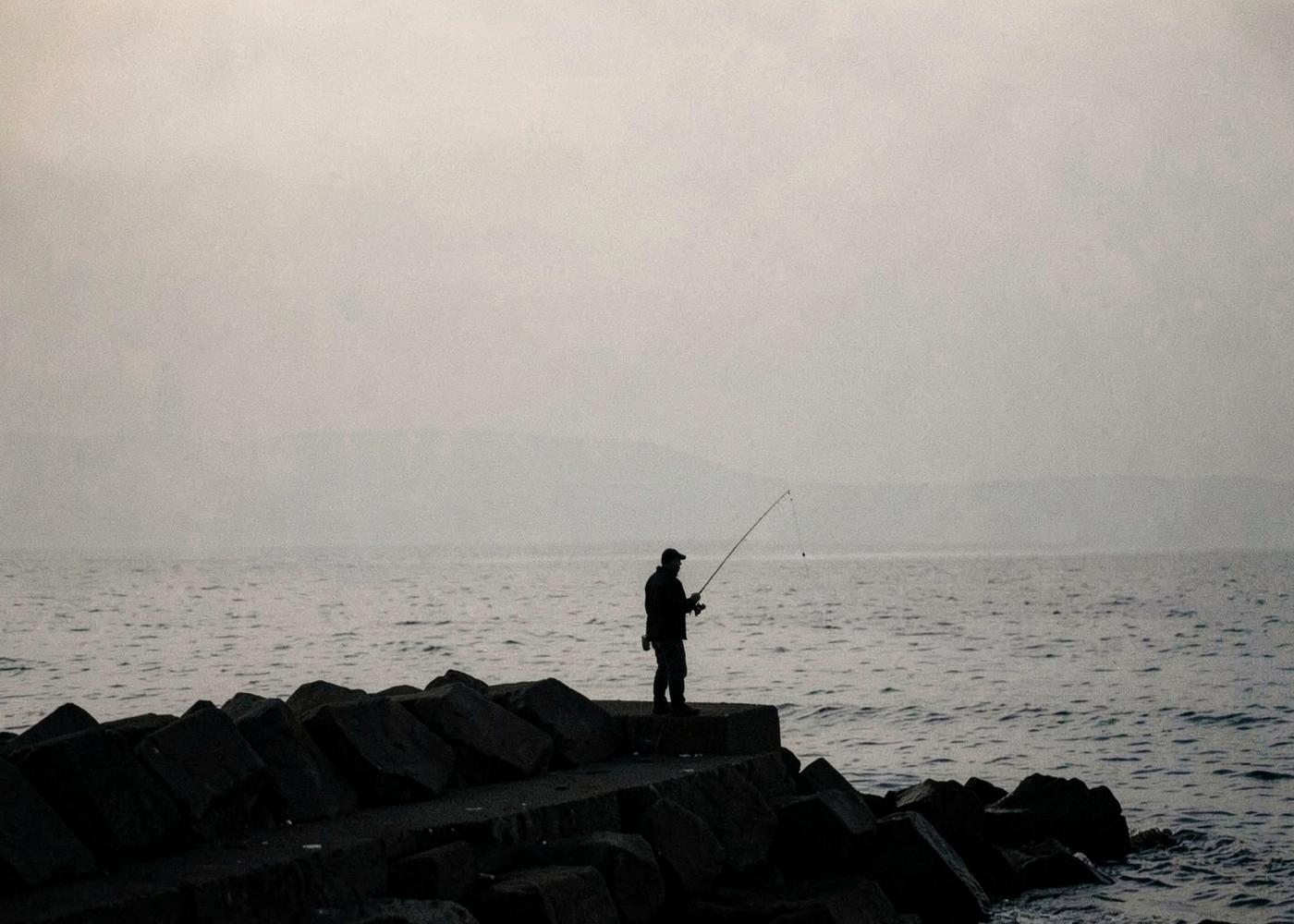
Light Rock Fishing approaches saltwater fishing by making the whole system lighter until the tackle becomes an advantage rather than an obstacle. Instead of heavy gear and large lures, it relies on smaller lures, lighter tackle, more sensitivity and more precision — turning small changes at the end of the line into information you can feel.
More than small tackle
Lighter gear lets you feel the lure sink, read bottom contact and sense current on the line, and recognise a bite as something distinct from structure. The real reward is awareness — of lure movement, depth, current, line contact, and the difference between a take and a change in tension.
A versatile approach
LRF is multi-species. Depending on your coast and conditions you might meet horse mackerel, mackerel, wrasse, sea bass, gobies, blennies and small bream. It is an approach rather than a promise of any single fish — one of its great attractions is the variety that can turn a short session into anything.
Where to fish
You do not need a perfect spot. Harbours and piers, rocky shores, breakwaters and, where regulations and conditions allow, estuaries all produce. The skill is reading the water — depth changes, current, structure and light — rather than memorising a list of “good” marks.
Small lures, big decisions
At this scale, a small change in lure weight shifts sink rate, casting distance, line angle, bottom contact and bite detection. That means your decisions become part of the fishing — and LRF moves from simply throwing a lure toward understanding what is happening under the surface.
Read further on light game
Further reading
Everything above is explained in greater depth, with examples and technique detail, in these external references:
These are external references, not Inn River content. Inn River is an independent publication and holds no commercial relationship with any retailer or brand mentioned here.